


1 Seite


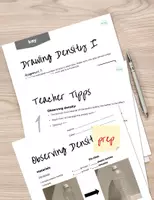


This Science Density STEM activity is a simple and effective observation lab to demonstrate how density is different between various substances and how it is calculated. This Science Density STEM activity has 3 parts:
The Science density lab, where you freeze an empty water bottle, observe what happens when you take it out of the freezer and then go over density lab questions with your learners.
A density drawing activity using the density drawing worksheets.
A density calculating activity using the science density calculations worksheet.
Use this Science Density STEM Activity in your middle school Science classroom once your students already know:
the composition of molecules and atoms
the states of matter
how temperature affects molecular movement
the law of conservation of mass
Density is one of my favorite topics and there are so many ways to demonstrate and explain the phenomenon.
If you also have a Science room with limited lab capabilities, but you do have a freezer this Science Density STEM Activity might be just right for you.
My learners were so amazed to see how their water bottles crunched overnight. Living in Minnesota, a lot of learners also had stories to tell about how water bottles left in cars overnight would break, when made out of glass and filled with water. (I definitely have stories like that)
Density needs to be explained on a molecular level, which needs lots of models. Using the drawing model is a simple way for learners to “create” their own different density levels by first changing the mass and then changing the volume.
Drawing and the resulting visuals is also a great way for language learners to grasp the concept. Also, remember to use the Science Sentence Starters with your class.
If you need help with the actual lesson planning for this law of conservation of mass lab, check out your FREE guide:
The 4Ds of Lesson Planning Science
In which file format will I receive the resource?
Not-editable secured PDF file
What does this resource include?
Observation Density Lab prep notes
Teacher Tips
2 Density Drawing Worksheets
1 Science Density Calculations Worksheet
What can this material be used for?
6th grade science projects
6th grade science experiments
Properties of matter unit
Language inclusive classroom
CLIL - content and language integrated learning
Other ideas that might be helpful for you:
NEW FREE GUIDE: The 4 Ds of lesson planning science
Law of Conservation of Mass Lab
Did you know that all my resources are also available in German? Go back to my store to see.
Do you have questions, ideas or just want to say “Hi!”?
Curious what the 4 Ds for lesson planning Science stand for?
Click here to find out!
This chemistry lesson bundle includes integrated physics and chemistry lesson plans and chemistry lab lesson plans.Use this chemistry lesson bundle for chemistry unit plans around the following topics:physical and chemical changessolubility salt in watertemperature volume pressure relationshiplaw of conservation of massThe chemistry lab lesson plans for solubility salt in water and physical and chemical changes allow for hands-on learning and are easy to set up and execute.Which previous knowledge should my learners already have?Learners should already be able tofollow the lab safety rulesdevelop a model for the composition of atoms and moleculesexplain the states of matterexplain the relationship between temperature and particle motion3 Secret Tips for you:Click here to get some extra help with lesson planning.Use Science Sentence Starters for your lab discussions.Try this new approach to assessing your learners and save tons of time grading.In which file format will I receive the chemistry lesson bundle?Not-editable secured PDF filesHave you ever assessed your students by having them draw?States of Matter Review Activities and AssessmentHey, and I would love to hear your thoughts on this chemistry lesson bundle. Whether you already use it in class or are not sure if it's the right fit for you, reach out .
Klassenstufen: 6. Klasse



Bewertungen und Kommentare