


eduki Qualität
60 Seiten
eduki Qualität
70 Seiten
12 Seiten




This comprehensive bundle provides everything needed for a structured unit on hacker culture, cybersecurity and digital power.
✔ Full teaching concept (14–18 lessons)
✔ Structured presentation
✔ Classroom-ready worksheets
✔ Debate & simulation modules
✔ Assessment tools
Origins of hacker culture
Ethical vs. malicious hacking
Ransomware economics
State-sponsored cyber operations
AI-powered cyberattacks
Encryption & digital infrastructure
International cybersecurity regulation
Students analyze how digital systems shape global power and democratic structures.
Perfect for advanced Computer Science and Digital Society courses.
How did hacking evolve from experimental curiosity to geopolitical weapon?Where is the line between security research and cybercrime?This academically structured presentation explores the development of hacker culture from the 1970s to AI-driven cyberwarfare.Core Topics✔ Origin of the term “Hacker” (MIT, 1960s)✔ White Hat / Grey Hat / Black Hat✔ Phone Phreaking & Blue Box✔ Chaos Computer Club & Hacker Ethics✔ Early computer viruses (Brain, Morris Worm)✔ Internet vulnerabilities (SQL Injection, Buffer Overflow)✔ State cyber operations (Stuxnet, NSA revelations)✔ Economic espionage & APT groups✔ Ransomware & RaaS✔ Social engineering psychology✔ AI-powered attacks & defenses✔ Cyberwar & critical infrastructure✔ Cryptography & post-quantum security✔ Bug bounty programs✔ Future of cybersecurity & regulationWhy Teachers Choose This PresentationChronological and structuredStrong ethical reflectionInterdisciplinary relevanceEncourages debateUp-to-date with 2026 developmentsPerfect for advanced Computer Science and Digital Society courses.
Klassenstufen: EF (10./11. Jhg.), Q1 (11./12. Jhg.)
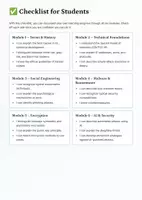
Is hacking a threat — or a necessary control mechanism for digital systems?How do ransomware attacks, state-sponsored operations and AI-powered exploits actually work?This structured worksheet unit enables students to analyze hacking from technical, political and ethical perspectives.Students Explore✔ Origins of hacking culture✔ Hacker ethics✔ Computer viruses & vulnerabilities✔ Ransomware & cybercrime economics✔ Social engineering psychology✔ State cyber operations✔ AI-driven attacks✔ Cryptography & security architecture✔ Cyberwar and global regulationSkills DevelopedTechnical analysisEthical reasoningStructured debatePolicy evaluationArgumentative writingPerfect for advanced Computer Science and Digital Society courses.
Klassenstufen: Q1 (11./12. Jhg.), Q2 (12./13. Jhg.)
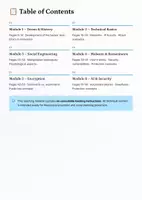
How did hacker culture evolve from experimental curiosity to geopolitical influence?Where is the line between ethical security research and cybercrime?This comprehensive teaching concept integrates technical cybersecurity knowledge with political analysis and ethical reflection.Academic Focus✔ Origins of hacker culture✔ Hacker ethics & open-source movements✔ Cybercrime economics✔ State-sponsored cyber operations✔ AI-driven cyberattacks✔ Encryption & zero-trust architecture✔ Global cybersecurity regulationPedagogical StrengthsCompetency-based lesson structureStructured debates & simulationsInternational cybersecurity summit role-playScenario analysis on AI threatsDifferentiated learning levelsAssessment tools includedPerfect for advanced Computer Science, Government and Digital Society courses.
Klassenstufen: EF (10./11. Jhg.), Q1 (11./12. Jhg.)



Bewertungen und Kommentare