

60 Seiten
53 Seiten

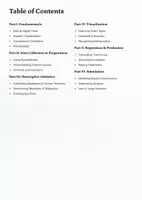


All materials included in this bundle are also available individually.
This bundle combines them into a coherent, curriculum-ready instructional unit for upper secondary mathematics.
This complete teaching bundle supports students in developing data literacy and critical statistical reasoning using digital tools.
Designed for bilingual (CLIL) classrooms, it integrates teaching concept, worksheets, and presentation materials into a unified learning pathway.
The focus is on meaningful tool use, not on technical skills alone.
comprehensive teaching concept
structured student worksheets
visual presentation slides
real-world data sets
discussion and reflection tasks
differentiation for mixed-ability classes
assessment-ready activities
digital tools in statistics
data preparation and visualisation
descriptive statistics
correlation and regression
forecasting and uncertainty
simulations and randomness
correlation vs. causation
responsible data use
Bilingualer Mathe-Unterricht (CLIL)
upper secondary mathematics
statistics and data analysis units
Bilingualer Mathe-Unterricht, digital tools in statistics bundle, CLIL statistics, data literacy, upper secondary mathematics
This practice-oriented presentation introduces students to the meaningful use of digital tools in statistics for upper secondary mathematics. Designed for bilingual (CLIL) classrooms, it emphasizes data literacy, interpretation, critical thinking, and responsible tool use. Students learn how digital tools support statistical reasoning without replacing conceptual understanding. Didactic Focus Students will learn to: analyze and visualize data using digital tools choose appropriate chart types perform and interpret regressions create and evaluate forecasts run simulations to explore randomness identify common errors and misinterpretations reflect critically on results and data sources Contents why digital tools matter in statistics overview of common statistical tools data workflows and visualization regression and trend analysis forecasting and uncertainty simulations and probability experiments correlation vs. causation data ethics and responsibility project-based classroom ideas Classroom Use Bilingualer Mathe-Unterricht (CLIL) upper secondary statistics data analysis and modeling cross-curricular teaching Best for CLIL and bilingual math courses upper secondary students statistics and data literacy units Keywords Bilingualer Mathe-Unterricht, digital tools in statistics, CLIL statistics, data literacy, upper secondary mathematics
Klassenstufen: Q1 (11./12. Jhg.), Q2 (12./13. Jhg.)
This comprehensive worksheet-based resource supports upper secondary students in using digital tools for statistical analysis in a meaningful and reflective way. Designed for bilingual (CLIL) mathematics classrooms, the material focuses on data literacy, interpretation, and critical evaluation, rather than on software skills alone. Students learn how digital tools help explore data while understanding their limitations. Didactic Focus Students will learn to: analyse real data sets using digital tools create and interpret appropriate charts calculate and interpret statistical measures analyse correlation and regression results evaluate predictions critically identify misleading visualisations and results reflect on the limits of digital analysis Key Topics digital tools in statistics data preparation and visualisation descriptive statistics scatter plots and correlation linear regression and prediction simulations and randomness correlation vs. causation critical data interpretation Classroom Use Bilingualer Mathe-Unterricht (CLIL) upper secondary statistics data analysis and modelling interdisciplinary teaching Best for CLIL and bilingual math classes upper secondary students statistics and data literacy units Keywords Bilingualer Mathe-Unterricht, digital tools in statistics, CLIL mathematics, data literacy, upper secondary statistics
Klassenstufen: Q1 (11./12. Jhg.), Q2 (12./13. Jhg.)
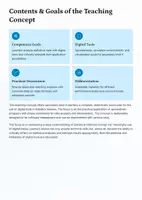
This comprehensive teaching concept provides a structured instructional unit on the use of digital tools in upper secondary statistics. Designed for bilingual (CLIL) mathematics classrooms, the focus lies on data literacy, interpretation, and critical evaluation, not on software operation alone. Students learn how digital tools support statistical reasoning while understanding their limitations and potential pitfalls. Didactic Focus Students will learn to: analyse real data sets using digital tools visualise data appropriately interpret statistical measures and models evaluate correlation, regression and predictions identify misleading results and visualisations reflect critically on data-based conclusions Contents & Structure role of digital tools in modern statistics data preparation and visualisation descriptive statistics using technology scatter plots, correlation and regression forecasting and uncertainty simulations and randomness correlation vs. causation critical reflection and data responsibility differentiation and teaching guidance Classroom Use Bilingualer Mathe-Unterricht (CLIL) upper secondary statistics data analysis and modelling interdisciplinary teaching Best for CLIL and bilingual mathematics courses upper secondary students statistics and data literacy units Keywords Bilingualer Mathe-Unterricht, digital tools in statistics, CLIL mathematics, data literacy, upper secondary statistics
Klassenstufen: Q1 (11./12. Jhg.), Q2 (12./13. Jhg.)



Bewertungen und Kommentare