

12 Seiten
eduki Qualität
70 Seiten
eduki Qualität
60 Seiten




Dieses Sparpaket ist ideal für den bilingualen (Englischsprachigen) Informatikunterricht in der Sekundarstufe I. Es vereint sechs interaktive Materialien rund um programmieren lernen mit Scratch, Verständnis von Datentypen und Algorithmen, sowie IT-Sicherheit im Netz. Die Lernenden entwickeln nicht nur technische Fähigkeiten, sondern stärken auch ihr Problemlösevermögen, algorithmisches Denken und ein Bewusstsein für den sicheren Umgang mit digitalen Medien.
Stay Safe Online – Computer & Virus Protection Lessons (Grades 6–9)
Leicht verständliche Einführung in digitale Sicherheit: Wie funktionieren Computerviren? Welche Schutzmaßnahmen gibt es im Alltag? Ein praktischer Einstieg in Cybersicherheit.
Scratch for Beginners – Interactive Coding Lessons (Grades 6–9)
Start mit Scratch: Visual Coding, kreative Projekte und erste Schritte in der Programmierung – ideal für Einsteiger*innen.
Understanding Data Types – Coding Skills Pack for Middle School
Datentypen erklärt: String, Integer, Boolean etc. Mit Übungen, die das Verständnis für Variablen und ihre Bedeutung im Code fördern.
Loops & Languages – Interactive Coding Lessons for Middle School
Schleifen (Loops) verstehen und einsetzen: „for“- und „while“-Strukturen einfach erklärt – mit interaktiven Aufgaben zur Anwendung.
Create Your Own Algorithm – Problem Solving for Middle School
Algorithmisches Denken leicht gemacht: Entwicklung eigener Abläufe und Problemlösungen bevor diese in Code umgesetzt werden.
How Computer Programs Work – Coding Skills Pack (Grades 6–9)
Grundlagenwissen: Wie funktioniert Software eigentlich? Ein Blick unter die Oberfläche – Steuerung, Abläufe und Speicherprozesse einfach erklärt.
Bilingual & fächerübergreifend: Vermittelt Fachwissen auf Englisch – optimal für bilingualen Informatikunterricht.
Praxisnah & interaktiv: Scratch-Projekte, klare Erklärungen und praxisorientierte Aufgaben fördern aktives Lernen.
Grundlegend & zukunftsrelevant: Lehrt wichtige Grundkompetenzen wie Algorithmenbau, Datentypverständnis und IT-Sicherheit.
Methodisch vielseitig: Kombiniert kreative Projekte, Problemlösungsaufgaben und inhaltliche Reflexionen.
Make coding concepts clear, practical, and exciting! This resource teaches middle school students how computers use data types to store and process information. Students will: Learn about integers, floats, strings, characters, booleans, and arrays Explore the impact of choosing the right data type on efficiency and memory Work on programming tasks like calculations, lists, and sorting Experience teamwork with a group puzzle and creative coding projects Take part in playful activities such as a theater role-play of data types The pack offers worksheets, reflection questions, quizzes, and teacher notes with rubrics and glossaries. Creative tasks like building a library database or solving an “escape room” challenge make the learning process interactive and memorable. Designed for Grades 6–9, this material develops critical thinking, problem-solving, and digital literacy while providing practical programming skills. 📘 Engaging, adaptable, and classroom-tested. 🌟 Inspire the next generation of coders to think logically and creatively.
Klassenstufen: 8-9. Klasse
Make programming simple, engaging, and fun! This teaching pack introduces middle school students to Scratch, a visual coding language designed for beginners. Students will: Learn to navigate the Scratch interface Build simple programs with sequences and events Explore loops, conditions, and variables step by step Create animations, interactive stories, and games Collaborate in group projects and present their work The pack contains worksheets, reflection activities, quizzes, and creative challenges. Tasks like designing an interactive story, building a mini-game, or presenting a group project make programming both educational and enjoyable. Teachers benefit from clear instructions, didactic notes, and ready-to-use materials with rubrics and expectation horizons. Ideal for Grades 6–9 in Computer Science or STEM subjects, this resource fosters critical thinking, creativity, and teamwork, while laying the foundation for future coding skills. 📘 Practical, classroom-tested, and student-friendly. 🌍 A perfect first step into the world of programming!
Klassenstufen: 8-9. Klasse
Give your students the tools they need for safe and responsible internet use! This resource introduces middle school learners to the risks and protections of the digital world through structured lessons and creative activities. Students will: Understand strong passwords and two-factor authentication Learn about data privacy, cyberbullying, and online fraud Explore phishing and malware through case examples Work in groups to create safety checklists or awareness campaigns Reflect on their digital habits and design personal safety strategies The pack includes worksheets, role plays, quizzes, and teacher notes. Highlights include a cyber escape room activity and creative projects like a digital safety video manifesto, making the learning process interactive and fun. Designed for Grades 6–9, this resource fosters digital literacy, collaboration, and problem-solving, while ensuring students can apply security principles in their daily online life. 📘 Engaging, adaptable, and classroom-tested. 🌍 Essential for preparing students to navigate the digital age safely.
Klassenstufen: 8-9. Klasse
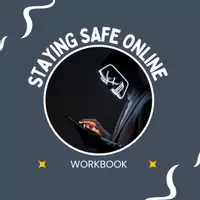
Make cyber safety real and exciting! This teaching resource guides middle school students through the basics of computer viruses, threats, and protection measures. Students will: Understand what computer viruses are and how they spread Identify suspicious emails, files, and downloads Learn how to use antivirus programs, firewalls, and backups Develop critical awareness of safe online behavior Work in groups to design posters, presentations, or role-plays The pack includes worksheets, guided exercises, creative puzzles, and teacher support materials such as rubrics, glossaries, and assessment-ready quizzes. Special highlights include the “Cyber Escape Room” activity where students must solve puzzles to stop a simulated hacker attack. Designed for Grades 6–9, this resource promotes digital literacy, critical thinking, and teamwork while teaching practical skills for everyday online safety. 📘 Easy-to-use, interactive, and classroom-tested. 🌍 Perfect for building a safe digital future with your students.
Klassenstufen: 9-10. Klasse




Bewertungen und Kommentare