


60 Seiten


Students see statistics every day…
👉 but do they actually understand them?
This complete teaching unit develops one of the most important modern skills:
👉 critical data literacy
Students learn how to interpret statistics, identify misleading conclusions, and evaluate scientific claims.
✔ real-world relevance
✔ strong focus on media literacy
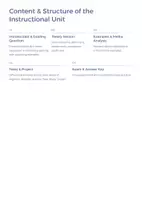
✔ full progression (intro → theory → application → project → exam)
✔ interdisciplinary use
✔ correlation vs causation
✔ Pearson correlation coefficient
✔ scatterplots
✔ confounders & spurious correlations
✔ experimental vs observational studies
✔ media analysis
✔ “Coffee causes cancer?”
✔ vaccines & autism controversy
✔ social media & mental health
👉 students learn to question data critically
Students create a fake study and challenge others to identify the errors
👉 powerful learning experience
✔ full lesson materials
✔ differentiated tasks (AFB I–III equivalent)
✔ final exam + answer key
✔ zero prep
✔ highly engaging
✔ real-life relevance
✔ perfect for advanced classes
Stop teaching isolated topics —👉 teach students how science actually works.This complete teaching package combines three essential areas of modern science education:✔ data interpretation (correlation vs causation)✔ scientific models and reasoning✔ experimental design and evaluationStudents develop a deep understanding of how knowledge is created, tested, and evaluated.📦 What’s Included✔ multiple full units✔ 180+ pages of material✔ structured lesson progression✔ real-world case studies✔ data analysis activities✔ project-based learning✔ multiple exams + answer keys🧠 Topics Covered✔ correlation vs causation✔ confounders & bias✔ scientific models✔ validity & reliability✔ experimental design✔ critical thinking💥 Why This Resource Works✔ complete curriculum coverage✔ highly relevant✔ interdisciplinary✔ builds real-world skills🎯 Perfect For✔ high school science✔ research skills courses✔ interdisciplinary teaching💥 Key Message👉 This is not just a resource👉 it’s a complete scientific thinking system
Klassenstufen: EF (10./11. Jhg.), Q1 (11./12. Jhg.), Q2 (12./13. Jhg.)



Bewertungen und Kommentare