


eduki Qualität
60 Seiten
34 Seiten


Important Note:
All included resources are also available separately.
Overview / Pedagogical Focus
This complete bilingual upper secondary bundle provides a fully structured electricity unit on series and parallel circuits.
The package combines a concept-driven presentation, in-depth worksheets, and a detailed unit plan. It supports CLIL instruction while strengthening mathematical reasoning and scientific argumentation.
The materials guide students from conceptual understanding to exam-level application.
Didactic Objective / Core Idea
develop a structured understanding of circuit behavior
apply Ohm’s law and resistance formulas correctly
analyze energy transfer and power distribution
strengthen subject-specific academic English
prepare for upper secondary examinations
Included Resources
Presentation
conceptual explanations
comparison charts
critical thinking prompts
Worksheets
multi-level tasks
resistance and power calculations
real-world applications
mixed circuit analysis
Unit Plan
full lesson sequence
inquiry-based progression
assessment strategies
reflection and consolidation
Classroom Use
complete CLIL electricity unit
bilingual STEM instruction
structured exam preparation
curriculum planning
Best for
Upper Secondary Physics
CLIL / bilingual programs
Electricity & circuits units
Structured unit implementation
Keywords
bilingual physics bundle, series and parallel circuits complete unit, CLIL electricity curriculum, upper secondary STEM resource, resistance and energy flow teaching package
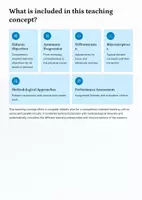
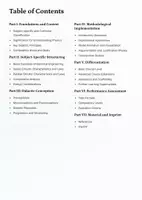
This structured upper secondary teaching concept provides a complete unit plan for series and parallel circuits within a bilingual physics setting. The unit integrates inquiry-based learning, conceptual development, mathematical reasoning, and exam preparation. It is designed for CLIL environments and supports subject-specific language development alongside scientific understanding. Students move from diagnosing misconceptions to experimental verification and formal mathematical modeling. Didactic Objective / Core Idea develop a deep conceptual understanding of circuit behavior connect experimentation, modeling, and calculation strengthen academic English in physics contexts prepare students for upper secondary examinations encourage structured scientific argumentation Content & Key Topics Diagnostic tasks on misconceptions Inquiry-based introduction scenarios Series circuit analysis Parallel circuit analysis Resistance formulas and derivations Energy flow and power distribution Safety considerations and short circuits Structured lesson sequencing Assessment and reflection phases Classroom Use Complete CLIL physics unit Bilingual upper secondary instruction Exam-oriented electricity teaching Lesson observation or teacher training Curriculum planning Best for Upper Secondary Physics CLIL / bilingual STEM Electricity & circuits units Structured unit planning Keywords bilingual physics unit plan, series and parallel circuits teaching concept, CLIL electricity curriculum, upper secondary physics planning, resistance and energy flow instruction
Klassenstufen: EF (10./11. Jhg.), Q1 (11./12. Jhg.)
Compare series and parallel circuits using current, voltage, resistance and energy transfer. This English-language physics PDF combines conceptual explanations with calculation, sketching and reasoning tasks. It supports upper secondary CLIL teaching and selected experimental planning.Themes and teaching activitiesStudents analyze current, voltage, resistance, power, and energy transfer through structured tasks at different cognitive levels. The material supports mathematical reasoning, experimental planning, and real-world application.It is ideal for exam preparation and deeper conceptual consolidation in electricity units.Didactic Objective / Core Ideadistinguish series and parallel circuits conceptually and mathematicallyapply Ohm’s law in structured problem-solving contextsanalyze energy flow and power distributioncorrect common misconceptions about electricitydevelop academic English in physics contextsContent & Key TopicsCurrent (I), Voltage (V), Resistance (R), Power (P)Ohm’s law and transformationsTotal resistance in series and parallel circuitsEnergy conversion and efficiencyShort circuits and safety conceptsMeasurement techniques (ammeter, voltmeter)Mixed circuits analysisReal-life applications: household wiring, automotive systemsComplex design tasks and transfer problemsClassroom UseCLIL upper secondary physicsbilingual STEM instructionstructured electricity unitsexam review and consolidationcooperative learning formatsBest forUpper Secondary PhysicsBilingual instruction (CLIL)Electricity & circuits unitsPre-exam revisionKeywordsbilingual physics worksheet, series and parallel circuits activities, CLIL electricity unit, upper secondary STEM resource, Ohm’s law problem solving, conceptual physics teachingWho is this resource for?The material is written in English for upper secondary physics and CLIL lessons. Select tasks according to subject knowledge and English proficiency.Which files are included?The main teaching resource is a 60-page PDF. No editable Word or PowerPoint file is included.How should I prepare the lesson?Review the selected tasks, prepare any required equipment or additional examples and adapt the sequence to your course. Allow time for calculations, diagrams, comparison and reasoned explanations.
Klassenstufen: EF (10./11. Jhg.), Q1 (11./12. Jhg.)
Compare electrical circuits through everyday examples, questions and thought experiments. This English-language PowerPoint contains 25 slides on current, voltage and power. It supports upper secondary physics and CLIL lessons.Themes and teaching activitiesStudents explore current, voltage, resistance, and energy conversion through structured comparisons and critical reflection of misconceptions. Everyday examples help bridge theory and application.The material supports exam preparation and strengthens scientific argumentation skills.Didactic Objective / Core Ideadistinguish clearly between series and parallel circuitsexplain current and voltage behavior conceptually and mathematicallyapply resistance formulas correctlydevelop subject-specific English vocabularyconnect physical principles to real-life applicationsContent & Key TopicsDefinitions: current (I), voltage (V), resistance (R)Series circuitsidentical currentvoltage divisiontotal resistance formulaParallel circuitsidentical voltagecurrent splittingreciprocal resistance formulaEnergy transfer and transformationMisconceptions in electricityHousehold wiring as applicationConceptual exam questionsClassroom UseCLIL physics lessonsbilingual upper secondary instructionexam review sessionsconcept reinforcementdiscussion-based learningBest forUpper Secondary PhysicsCLIL / bilingual instructionConceptual electricity unitsPre-exam revisionKeywordsbilingual physics presentation, series and parallel circuits, CLIL electricity lesson, upper secondary physics, resistance formulas explained, conceptual physics teachingWho is this resource for?The material is written in English for upper secondary physics and CLIL lessons. Select tasks according to scientific knowledge and language proficiency.Which files are included?One editable PowerPoint file contains 25 slides. No separate PDF is included.How should I prepare the lesson?Review the selected tasks and choose a suitable sequence. Arrange any equipment or additional examples required for experiments, calculations and discussion. Plan time for interpreting models and explaining results.
Klassenstufen: EF (10./11. Jhg.), Q1 (11./12. Jhg.)



Bewertungen und Kommentare