

59 páginas
13 páginas
8 páginas
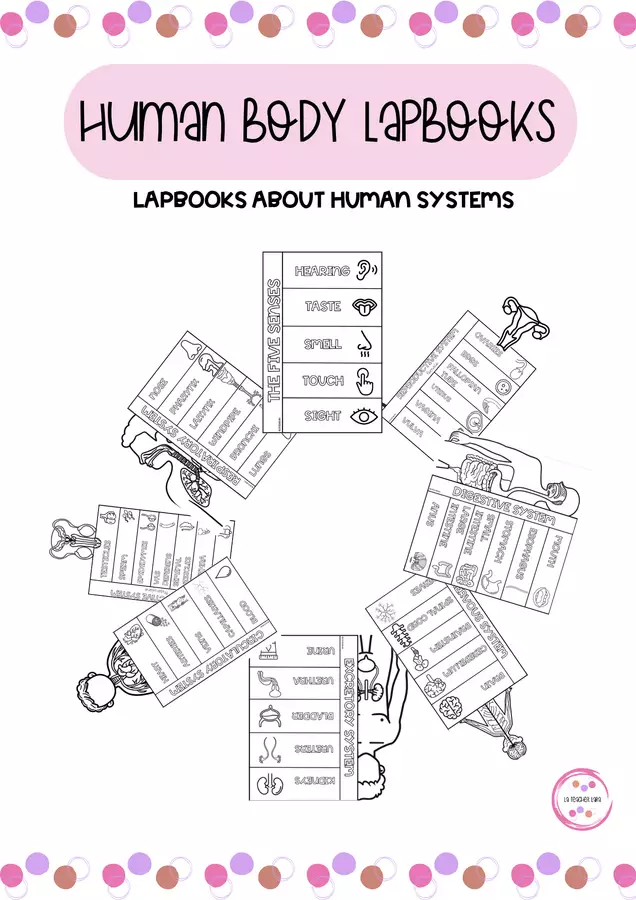
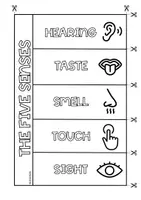


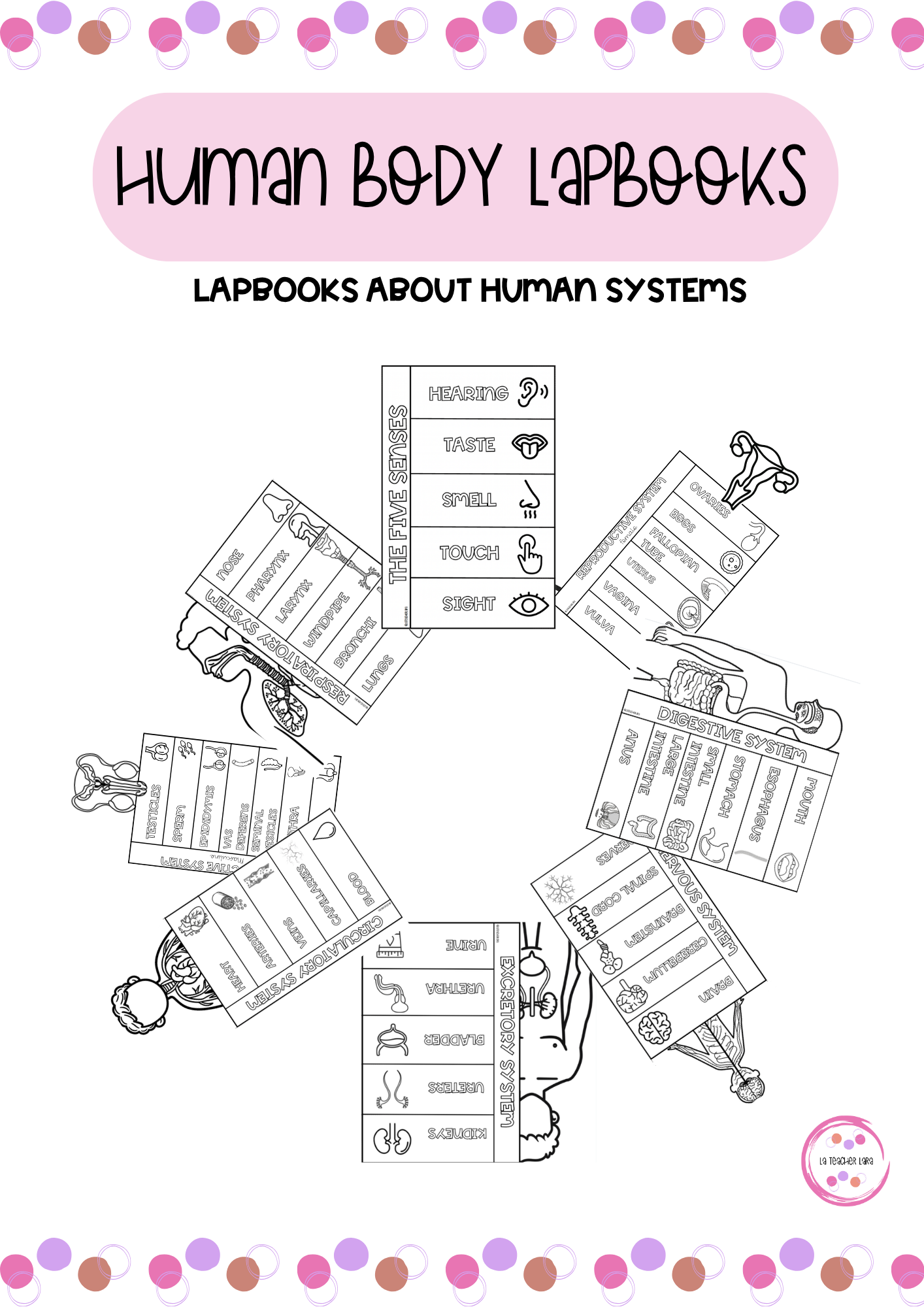
Discover the human body in a visual, hands-on and fun way! 🧠❤️🫁
This pack includes 8 lapbooks about the main systems and organs of the human body, designed to help students learn, review and consolidate Science content in an active and meaningful way.
Each lapbook allows students to learn about th emain parts of each body system, accompanied by key facts and information about their functions.
🫁Respiratory System Lapbook
Learn about the main structures involved in breathing and understand how air enters and leaves our body.
🥣Digestive System Lapbook
Discover the main organs involved in digestion and learn about the journey food takes through our body.
❤️Circulatory System Lapbook
Learn how the heart works, how blood travels through the body, and the functions of arteries, veins, capillaries and the different components of blood.
🚽Excretory (Urinary) System Lapbook
Learn about the kidneys, ureters, bladder and urethra and understand how the body removes waste products.
🧠Nervous System Lapbook
Discover the functions of the brain, cerebellum, brainstem, spinal cord and nerves.
♀️Female Reproductive System Lapbook
Learn about the main organs, including the ovaries, fallopian tubes, uterus, cervix and vagina, and understand their functions.
♂️Male Reproductive System Lapbook
Learn about the testicles, epididymis, vas deferens, seminal vesicles, urethra and penis, as well as the function of sperm cells.
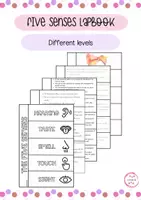
👀Five Senses Lapbook
Explore sight, hearing, smell, taste and touch and learn about the organs associated with each sense.
All lapbooks are designed in black and white and include different versions to adapt to your students' needs:
🔹Letter tracing version: with the information already written so students can trace the letters and practise their handwriting.
🔹Reading version: with the complete information to practise reading and reinforce learning of the content.
🔹Blank version: so students can write the characteristics and functions of each organ or structure themselves.
🔹Different fonts: different font options are included so you can choose the one that best suits the level and needs of each student.
✔️ The main systems of the human body.
✔️ The main organs and structures and their functions.
✔️ Vocabulary related to the human body.
✔️ Understanding and learning Science content.
✔️ Reading and writing scientific information.
✔️ Organising and classifying information.
✔️ Fine motor skills through cutting, folding and assembling.
✔️ Visual and hands-on learning.
✔️ Review and consolidation of learning.
A perfect resource for Primary Education, especially for teaching the human body in Science.
You can use this pack as:
✨A human body project
✨A classroom activity
✨A review resource
✨Learning stations
✨A consolidation activity
✨Individual or collaborative work
✨A final product for a teaching unit
✨A human body notebook or portfolio
You can use each lapbook independently, depending on the topic you are teaching, or use the entire pack to create a complete human body project.
🧠 NERVOUS SYSTEM LAPBOOK | PARTS AND FUNCTIONSLearn about the nervous system in a visual, hands-on and fun way! 🧠⚡This nervous system lapbook is designed to help students learn and review the main parts of the nervous system in a simple, visual and engaging way.Students will discover how the brain works, the functions of the cerebellum, brainstem, spinal cord, and nerves, while also learning how all parts of the body communicate through nerve impulses.Each part comes with a key fact or piece of information, helping students understand its function and how the nervous system controls movement, the senses, and many of the body's essential functions.✂️ What does it include?The resource is designed in black and white and includes different versions to adapt it to your students' needs:🔹Letter tracing version: with the information already written, so students can trace the letters and practise their handwriting.🔹Reading version: with the information already written to practise reading and reinforce learning of the content.🔹Blank version: so students can write the characteristics of each organ or structure themselves.It also includes different fonts, allowing you to choose the option that best suits the level and needs of each student.🧠 What can we work on?✔️ The main parts of the nervous system.✔️ The characteristics and functions of the brain, cerebellum, brainstem, spinal cord, and nerves.✔️ Vocabulary related to the human body.✔️ Understanding and learning Science content.✔️ Reading and writing scientific information.✔️ Fine motor skills through cutting, folding and assembling.✔️ Visual and hands-on learning.📚 Ideal for...A perfect resource for Primary Education, especially for teaching the human body and the nervous system within Science lessons.You can use it as a classroom activity, review resource, human body project, consolidation activity, or as a final product for a teaching unit.🧠 LAPBOOK DEL SISTEMA NERVIOSO EN INGLÉS | PARTES Y FUNCIONES¡Aprende el sistema nervioso de una forma visual, manipulativa y divertida! 🧠⚡Este lapbook del sistema nervioso está pensado para trabajar y repasar las principales partes que forman el sistema nervioso de una manera sencilla, visual y atractiva.El alumnado descubrirá cómo funciona el cerebro, cuál es la función del cerebelo, el tronco encefálico, la médula espina ly los nervios, además de comprender cómo se comunican todas las partes del cuerpo gracias a los impulsos nerviosos.Cada elemento aparece acompañado de una característica o información clave, para que el alumnado pueda conocer su función y comprender mejor cómo el sistema nervioso controla los movimientos, los sentidos y muchas de las funciones del organismo.✂️ ¿Qué incluye?El recurso está preparado en blanco y negro y encontrarás diferentes versiones para adaptarlo a las necesidades de tu alumnado:🔹Versión para repasar las letras: con la información ya escrita, para que el alumnado pueda repasar y practicar la escritura.🔹Versión para leer: con la información escrita para trabajar la lectura y reforzar el aprendizaje de los contenidos.🔹Versión en blanco: para que el alumnado escriba por sí mismo las características de cada órgano o estructura.Además, incluye diferentes fuentes, para que puedas escoger la opción que mejor se adapte al nivel y necesidades de cada alumno.🧠 ¿Qué podemos trabajar?✔️ Las principales partes del sistema nervioso.✔️ Características y funciones del cerebro, cerebelo, tronco encefálico, médula espinal y nervios.✔️ Vocabulario relacionado con el cuerpo humano.✔️ Comprensión y adquisición de contenidos de Ciencias Naturales.✔️ Lectura y escritura de información científica.✔️ Motricidad fina mediante el recortado, doblado y montaje.✔️ Aprendizaje visual y manipulativo.📚 Ideal para...Un recurso perfecto para Primaria, especialmente para trabajar el cuerpo humano y el sistema nervioso dentro del área de Ciencias Naturales.Puedes utilizarlo como actividad de aula, recurso de repaso, proyecto sobre el cuerpo humano, actividad de consolidación o como producto final de una unidad didáctica.
Curso: 3.-6. PRIM
🧠 DIGESTIVE SYSTEM LAPBOOK | ORGANS AND FUNCTIONSLearn about the digestive system in a visual, hands-on and fun way! 🧑🔬🫀This digestive system lapbook is designed to help students learn and review the main organs involved in digestion in a simple and engaging way.Each organ comes with a key fact or piece of information, helping students learn about its function and better understand the journey food takes through our body.✂️ What does it include?The resource is designed in black and white and includes different versions to adapt it to your students' needs:🔹Handwriting practice version: with the information already written, so students can practise tracing the letters.🔹Reading version: to practise reading and reinforce learning of the content.🔹Blank version: so students can write the characteristics of each organ themselves.It also includes different fonts, allowing you to choose the option that best suits the level and needs of each student.🧠 What can we work on?✔️ The main organs of the digestive system.✔️ The characteristics and functions of each organ.✔️ Vocabulary related to the human body.✔️ Understanding and learning Science content.✔️ Reading and writing scientific information.✔️ Fine motor skills through cutting, folding and assembling.✔️ Visual and hands-on learning.📚 Ideal for...A perfect resource for Primary Education, especially for teaching the human body and digestive system within Science lessons.You can use it as aclassroom activity, review resource, human body project, consolidation activity, or as a final product for a teaching unit.🧠 LAPBOOK DEL APARATO DIGESTIVO EN INGLÉS | ÓRGANOS Y FUNCIONES¡Aprende el aparato digestivo de una forma visual, manipulativa y divertida! 🧑🔬🫀Este lapbook del aparato digestivo está pensado para trabajar y repasar los principales órganos que intervienen en la digestión de una manera sencilla y atractiva.Cada órgano aparece acompañado de una característica o información clave, para que el alumnado pueda conocer su función y comprender mejor el recorrido que realizan los alimentos por nuestro cuerpo.✂️ ¿Qué incluye?El recurso está preparado en blanco y negro y encontrarás diferentes versiones para adaptarlo a las necesidades de tu alumnado:🔹Versión para repasar: con la información ya escrita, para repasar las letras.🔹Versión para leer: para trabajar la lectura y el aprendizaje de los contenidos.🔹Versión en blanco: para que el alumnado escriba por sí mismo las características de cada órgano.Además, incluye diferentes tipos de letra (fuente), lo que permite escoger la opción que mejor se adapte al nivel y necesidades de cada alumno.🧠 ¿Qué podemos trabajar?✔️ Los principales órganos del aparato digestivo.✔️ Características y funciones de cada órgano.✔️ Vocabulario relacionado con el cuerpo humano.✔️ Comprensión y adquisición de contenidos de Ciencias Naturales.✔️ Lectura y escritura de información científica.✔️ Motricidad fina mediante el recortado, doblado y montaje.✔️ Aprendizaje visual y manipulativo.📚 Ideal para...Un recurso perfecto para Primaria, especialmente para trabajar el cuerpo humano y el aparato digestivo dentro del área de Ciencias Naturales.Puedes utilizarlo como actividad de aula, recurso de repaso, proyecto sobre el cuerpo humano, actividad de consolidación o como producto final de una unidad didáctica.
Curso: 3.-6. PRIM
🚽 EXCRETORY (URINARY) SYSTEM LAPBOOK | ORGANS AND FUNCTIONSLearn about the excretory (urinary) system in a visual, hands-on and fun way! 🚽💧This excretory (urinary) system lapbook is designed to help students learn and review the main organs involved in the formation, storage and elimination of urine in a simple, visual and engaging way.Students will discover how the kidneys work, the functions of the ureters, bladder and urethra, and how the body removes waste substances while maintaining the balance of water and other substances.Each organ comes with a key fact or piece of information, helping students understand its function and learn more about the journey urine takes from its formation to its elimination from the body.✂️ What does it include?The resource is designed in black and white and includes different versions to adapt it to your students' needs:🔹Letter tracing version: with the information already written, so students can trace the letters and practise their handwriting.🔹Reading version: with the information already written to practise reading and reinforce learning of the content.🔹Blank version: so students can write the characteristics of each organ themselves.It also includes different fonts, allowing you to choose the option that best suits the level and needs of each student.🧠 What can we work on?✔️ The main organs of the excretory (urinary) system.✔️ The characteristics and functions of the kidneys, ureters, bladder and urethra.✔️ The importance of the kidneys in filtering the blood and removing waste substances.✔️ Vocabulary related to the human body.✔️ Understanding and learning Science content.✔️ Reading and writing scientific information.✔️ Fine motor skills through cutting, folding and assembling.✔️ Visual and hands-on learning.📚 Ideal for...A perfect resource for Primary Education, especially for teaching the human body and the excretory (urinary) system within Science lessons.You can use it as aclassroom activity, review resource, human body project, consolidation activity, or as a final product for a teaching unit.🚽 LAPBOOK DEL APARATO EXCRETOR (URINARIO) EN INGLÉS| ÓRGANOS Y FUNCIONES¡Aprende el aparato excretor (urinario) de una forma visual, manipulativa y divertida! 🚽💧Este lapbook del aparato excretor (urinario) está pensado para trabajar y repasar los principales órganos que intervienen en la formación, almacenamiento y expulsión de la orina de una manera sencilla, visual y atractiva.El alumnado descubrirá cómo funcionan los riñones, cuál es la función de los uréteres, la vejiga y la uretra, además de comprender cómo el cuerpo elimina las sustancias de desecho y mantiene el equilibrio de agua y otras sustancias.Cada órgano aparece acompañado de una característica o información clave, para que el alumnado pueda conocer su función y comprender mejor el recorrido que sigue la orina desde que se forma hasta que es expulsada del cuerpo.✂️ ¿Qué incluye?El recurso está preparado en blanco y negro y encontrarás diferentes versiones para adaptarlo a las necesidades de tu alumnado:🔹Versión para repasar las letras: con la información ya escrita, para que el alumnado pueda repasar y practicar la escritura.🔹Versión para leer: con la información escrita para trabajar la lectura y reforzar el aprendizaje de los contenidos.🔹Versión en blanco: para que el alumnado escriba por sí mismo las características de cada órgano.Además, incluye diferentes fuentes, para que puedas escoger la opción que mejor se adapte al nivel y necesidades de cada alumno.🧠 ¿Qué podemos trabajar?✔️ Los principales órganos del aparato excretor (urinario).✔️ Características y funciones de los riñones, uréteres, vejiga y uretra.✔️ La importancia de los riñones para filtrar la sangre y eliminar las sustancias de desecho.✔️ Vocabulario relacionado con el cuerpo humano.✔️ Comprensión y adquisición de contenidos de Ciencias Naturales.✔️ Lectura y escritura de información científica.✔️ Motricidad fina mediante el recortado, doblado y montaje.✔️ Aprendizaje visual y manipulativo.📚 Ideal para...Un recurso perfecto para Primaria, especialmente para trabajar el cuerpo humano y el aparato excretor (urinario) dentro del área de Ciencias Naturales.Puedes utilizarlo como actividad de aula, recurso de repaso, proyecto sobre el cuerpo humano, actividad de consolidación o como producto final de una unidad didáctica.
Curso: 3.-6. PRIM
♀️♂️ REPRODUCTIVE SYSTEM LAPBOOKS | FEMALE AND MALELearn about the female and male reproductive systems in a visual, hands-on and fun way! 🌸💙This Reproductive System Lapbook Pack is designed to help students learn and review the main organs of both the female and male reproductive systems in a simple, visual and engaging way.Students will discover the main parts of each reproductive system, learn the function of every organ, and understand how they are structured. Through clear, age-appropriate explanations for Primary Education, they will identify organs such as the ovaries, fallopian tubes, uterus, cervix, and vagina, as well as the testicles, epididymis, vas deferens, seminal vesicles, urethra, and penis. They will also learn about the roles of the egg cells (ova) and sperm cells.Each organ comes with a key fact or piece of information, helping students understand its function and expand their knowledge of the human body.✂️ What does it include?The resource is designed in black and white and includes different versions to adapt it to your students' needs:🔹Letter tracing version: with the information already written, so students can trace the letters and practise their handwriting.🔹Reading version: with the information already written to practise reading and reinforce learning of the content.🔹Blank version: so students can write the characteristics of each organ themselves.It also includes different fonts, allowing you to choose the option that best suits the level and needs of each student.🧠 What can we work on?✔️ The main organs of the female and male reproductive systems.✔️ The characteristics and functions of each organ.✔️ Vocabulary related to the human body.✔️ Understanding and learning Science content.✔️ Reading and writing scientific information.✔️ Fine motor skills through cutting, folding and assembling.✔️ Visual and hands-on learning.📚 Ideal for...A perfect resource for Primary Education, especially for teaching the human body and the reproductive system within Science lessons.You can use it as a classroom activity, review resource, human body project, consolidation activity, or as a final product for a teaching unit.♀️♂️ LAPBOOKS DEL APARATO REPRODUCTOR EN INGLÉS | FEMENINO Y MASCULINO¡Aprende el aparato reproductor femenino y masculino de una forma visual, manipulativa y divertida! 🌸💙Este pack de lapbooks del aparato reproductor está pensado para trabajar y repasar los principales órganos que forman el aparato reproductor femenino y masculino de una manera sencilla, visual y atractiva.El alumnado descubrirá las principales partes de ambos aparatos, conocerá la función de cada órgano y comprenderá cómo están formados. A través de explicaciones claras y adaptadas a Primaria, podrán identificar órganos como los ovarios, trompas de Falopio, útero, cérvix y vagina, así como los testículos, epidídimo, conductos deferentes, vesículas seminales, uretra y pene, además de conocer la función de los óvulosy los espermatozoides.Cada órgano aparece acompañado de una característica o información clave, para que el alumnado pueda conocer su función y ampliar sus conocimientos sobre el cuerpo humano.✂️ ¿Qué incluye?El recurso está preparado en blanco y negro e incluye diferentes versiones para adaptarlo a las necesidades de tu alumnado:🔹Versión para repasar las letras: con la información ya escrita, para que el alumnado pueda repasar y practicar la escritura.🔹Versión para leer: con la información escrita para trabajar la lectura y reforzar el aprendizaje de los contenidos.🔹Versión en blanco: para que el alumnado escriba por sí mismo las características de cada órgano.Además, incluye diferentes fuentes, para que puedas escoger la opción que mejor se adapte al nivel y necesidades de cada alumno.🧠 ¿Qué podemos trabajar?✔️ Los principales órganos del aparato reproductor femenino y masculino.✔️ Características y funciones de cada órgano.✔️ Vocabulario relacionado con el cuerpo humano.✔️ Comprensión y adquisición de contenidos de Ciencias Naturales.✔️ Lectura y escritura de información científica.✔️ Motricidad fina mediante el recortado, doblado y montaje.✔️ Aprendizaje visual y manipulativo.📚 Ideal para...Un recurso perfecto para Primaria, especialmente para trabajar el cuerpo humano y el aparato reproductor dentro del área de Ciencias Naturales.Puedes utilizarlo como actividad de aula, recurso de repaso, proyecto sobre el cuerpo humano, actividad de consolidación o como producto final de una unidad didáctica.
Curso: 3.-6. PRIM





Valoraciones y comentarios